
Can Kane Lead England Effectively Despite Reduced Playing Time in the Early Stages?
As Thomas Tuchel prepares England for a gruelling summer tournament in North America, strategic rotation for Harry Kane could dictate their ultimate success.

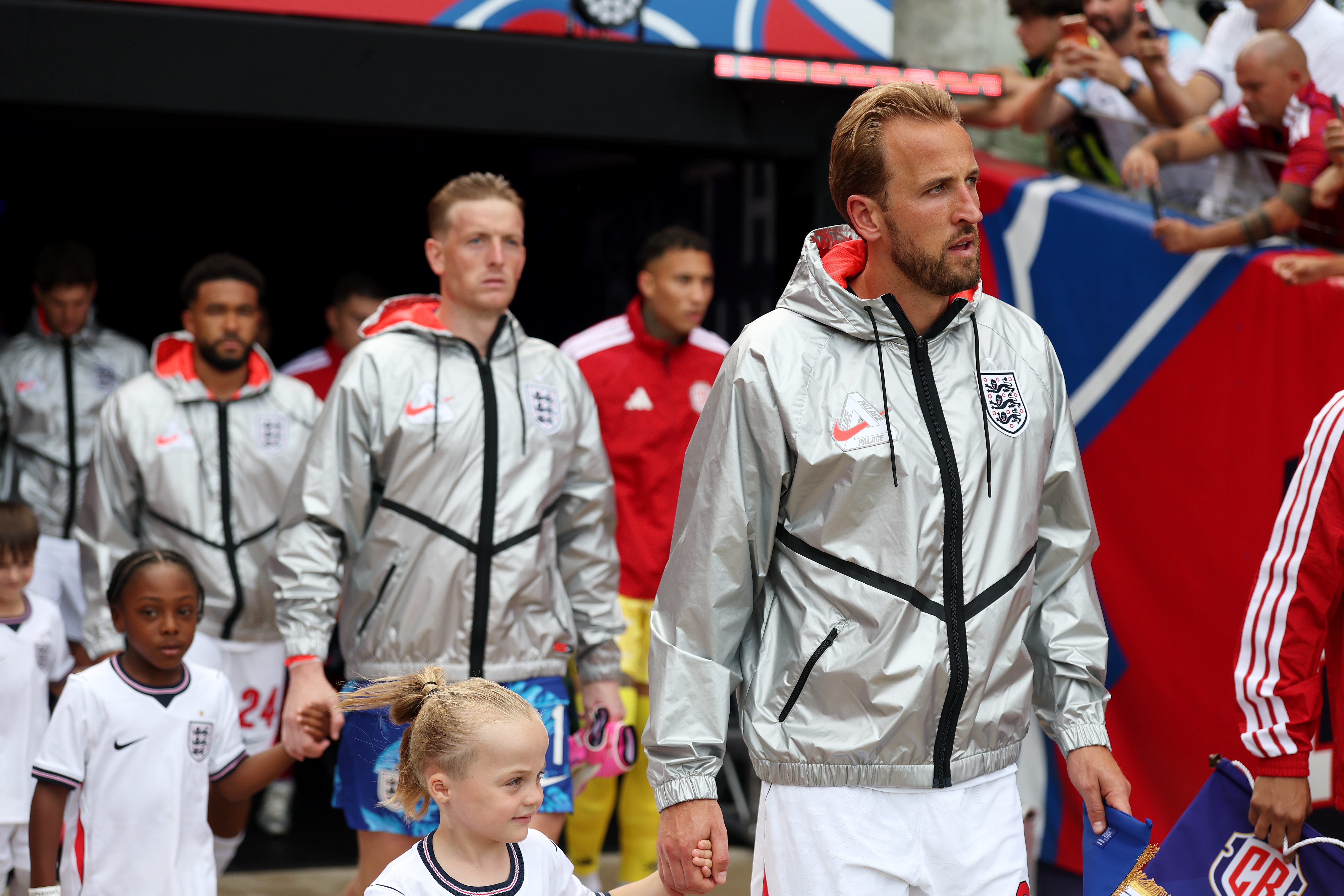
Any major international tournament sharpens the focus on squad management, but England’s journey to North America under Tuchel introduces a completely unique set of variables and questions about tactics. The centre of it all? England captain Harry Kane.
The veteran striker enters the tournament following an extraordinary domestic campaign with Bayern Munich, where he racked up over 4,000 minutes of competitive football. At 32 years old, and off the back of an exhausting season, physical preservation has inevitably become a matter of strategic necessity rather than a luxury. Reports suggest that Tuchel intends to heavily manage his captain’s minutes during the initial matches have sparked an intense debate. The fundamental question is whether a talismanic figure can truly maintain his vital leadership influence when his presence on the pitch is intentionally restricted.
Modern international campaigns are as much wars of attrition as they are about technical superiority. The extreme summer heat forecasted across host cities like Arlington and East Rutherford presents a major challenge for European squads - and that fact alone is swaying the world cup betting odds already for the teams accustomed to more temperate conditions. Looking back, we’ve faltered by overworking their primary stars during the early phases, leaving them visibly fatigued when the high-stakes knockout rounds finally arrive.
England’s Management is Learning from Past Exhaustion
In previous tournaments, English campaigns have regularly stalled because the management ran their primary stars into the ground during the group stages. By the time the high-stakes knockout rounds arrived, the key players looked completely depleted. Tuchel, however, views tournament football through a lens of cold efficiency. His decision to bring three distinct, traditional centre-forwards in his final selection signals a clear break from past tournament strategies.
Tuchel isn’t treating the group stage as a series of isolated games. Giving Kane a breather against defensive low blocks lets England shield their prize asset from the worst of the summer humidity, meaning he should arrive at the business end of the competition perfectly sharp.
It Makes for a Totally New Kind of Captain…
Traditional football culture loves the image of a skipper who leads strictly through ninety minutes on the pitch, but modern sports science and team dynamics tell us that true authority lies inside a high-pressure tournament camp. It’s built behind closed doors in the dressing room, throughout quiet training sessions, and even in the tunnel.
Kane has spent a decade building a reputation as an unselfish professional who prioritizes the trophy over individual golden boots. Sitting on the bench for an opening match does not diminish his stature. Instead, it alters his utility. On the sideline, an experienced captain acts as an extension of the technical staff, like a psychological buffer for less experienced forwards, absorbing the intense media pressure so they can play without the weight of the world on their shoulders.
…And Much-Needed Tactical Unpredictability
A rotated front line also offers England a level of unpredictability they often lacked in past summers. When Kane plays, the system relies on his brilliant drop-deep playmaking, which requires dynamic wingers to sprint into the vacated space. Turning to alternative options gives the side a completely different tactical identity, using raw vertical pace to stretch opponents who refuse to come out of their own box.
This evolution toward a collective, squad-first approach alters how analysts read the tournament. When a big nation proves it can win without relying on one unicorn, its structural resilience skyrockets. Opponents no longer have a single point of failure to target, making England a far more dangerous, adaptable opponent as the tournament progresses.