
Fan Culture in the Modern Premier League: Community, Creativity, and Digital Presence
How Premier League fan culture has evolved through social media, digital rituals, and global communities

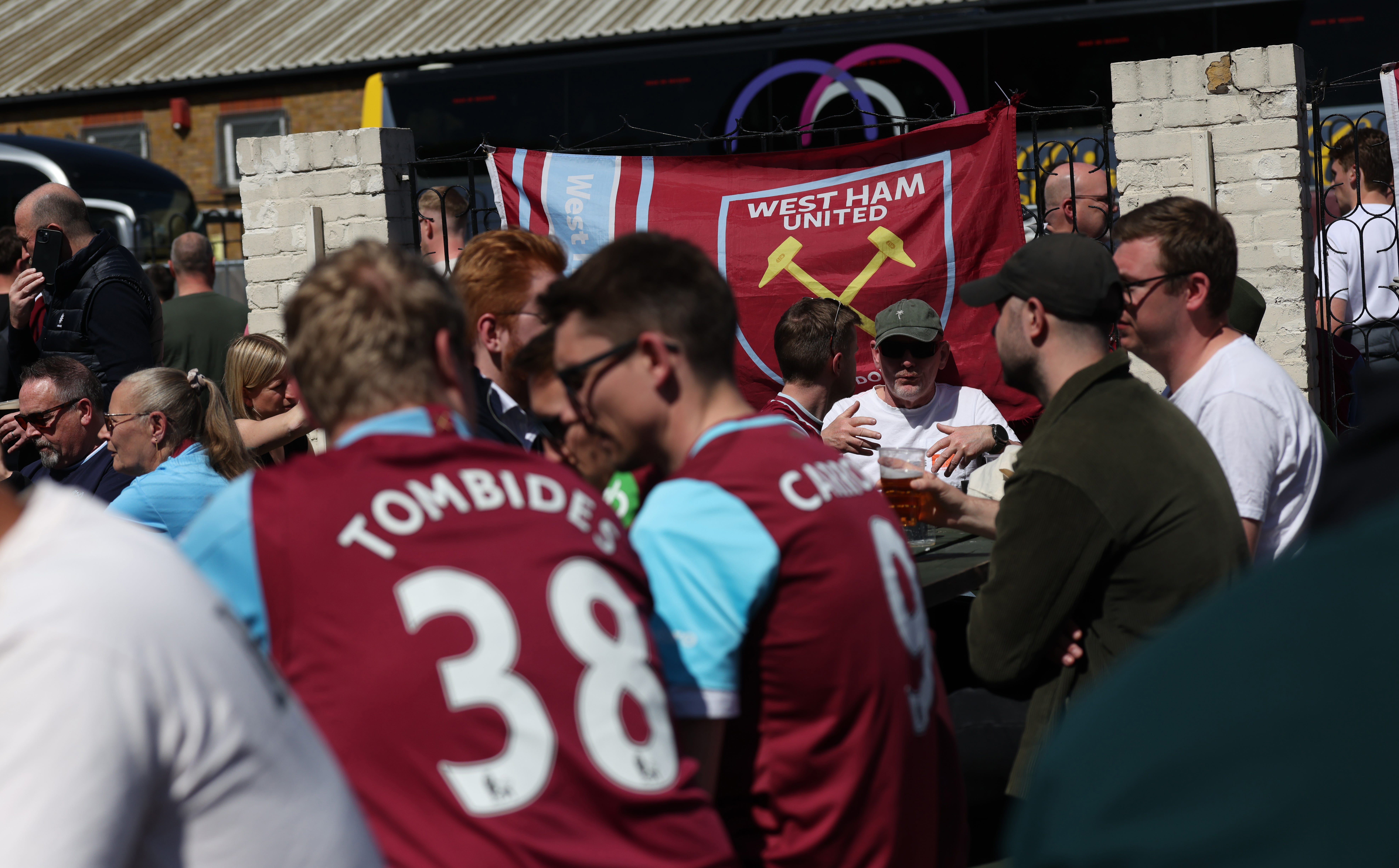
Supporting the Premier League nowadays looks very different compared to even just five or six years ago. Crucially, football matches continue to be important. However, the major change in football fandom happens not because of the matches themselves, but because of the numerous activities people engage in surrounding them - before the matches, during the matches, and even long after they have ended.
Actually, in terms of daily time and attention, being a fan has become a continuous thing. It exists on social networks, in conversations between friends, and in entertaining short video clips as well as lengthy discussions on forums. At the same time, smaller behavioural changes are noticeable: fans will check odds, follow match stats, or even place a quick bet early in the day before the noise of the day officially starts.
A Global Crowd That Never Logs Off
The Premier League has always had the potential to attract fans from around the world. That aspect is not new at all. What has changed is that now those fans are more connected to each other than ever before.
If you take a moment to scroll through any matchday hashtag, you will instantly realize it. Fans from London, Lagos, Jakarta, and New York share the same reaction within seconds to a particular moment. There is no lag anymore; it is just a global conversation happening simultaneously.
Indeed, this has become a digital stadium of sorts, we would say. While it certainly doesn’t compare to actually being there in person, it’s very close, especially when it comes to the emotional side of things.
And the clubs have taken full advantage of this. Most of them even have multiple accounts with content tailored to different regions. Besides that, they post at times suited to their global audience. This is no accident, and it yields results.
Those interested in how this interactive environment relates to broader football analysis should take a look at Premier League match insights and data trends at theanalyst.com, which offers an excellent perspective on how global fan engagement ties into performance narratives.
Matchday Isn’t 90 Minutes Anymore
Modern football fandom follows a certain rhythm. No rules are set, but if you become a close enough observer, you can discern it.
Before Kickoff: The Build-Up
As the game approaches, the pre-match buzz gets louder:
People guess the lineups
Supporters discuss tactics (sometimes with quite some detail)
Short video clips and edits start appearing
Not everyone is correct, but it doesn’t really matter because the aim is not to be precise. It’s all about excitement and looking forward to the game.
During the Game: Real-Time Reaction
Everything speeds up the minute the match kicks off.
Social media posts are sent out in waves. Goals lead to spontaneous posts - video clips, memes, commentary. The response on some occasions even seems to be quicker than the broadcast.
At this point, apart from watching the match, many fans check live stats or follow changes in betting odds. They don’t do this obsessively, but just enough to keep their interest and engagement beyond what is immediately visible on the screen.
After the Final Whistle: Analysis and Narrative
At this point, everything calms down.
Different player ratings can be found
There are lots of tactical breakdowns shared
Fan podcasts and reactions take over timelines
And slowly but surely, a story emerges. Performers and non-performers are identified, and consequences are tracked. The atmosphere is no longer wild, but rather thoughtful.
Creativity Is No Longer Optional, It’s Central
What is striking when you examine fan culture today is that fans don’t simply consume; they also produce.
This wasn’t always the case. Or maybe it was, but not on the scale that we have now.
Fan Content Today
Shooting and posting short videos with edits and music
Writing tactical discussions explaining formations and changes
Making memes related to the club or rivalries
Producing long-form narrative content about players or seasons
Some pieces are very much works in progress. Some are very professional. However, all of them contribute to the experience.
Even from our perspective, it is quite astonishing how some players can become “digital gods” regardless of their actual performances on the pitch. One viral video can completely change the way people see a player, sometimes even unfairly, but that’s how it is now.
Clubs Have Become Media Platforms
This is not a reactive stance on the clubs’ part; instead, they very much want to be involved in shaping changing football fandom.
A useful UK example is City A.M.’s “Arsenal: Leading the digital charge as well as the Premier League”, which shows how top clubs are building digital ecosystems that keep fans engaged far beyond matchday.
The quality of their output has been subtly but noticeably enhanced over the past few seasons. Shots from behind the scenes, glimpses into training sessions, showing players interacting… all of these are components of a broader content strategy.
What Clubs Focus On Today
Content is continuously available day-to-day, not just on matchdays
Players’ personal and professional stories are shared (interviews, personal moments)
Videos are short and designed primarily for mobile devices
Interactive formats such as polls or live sessions
Essentially, these activities work towards the same goal: helping fans get to know the team as if they were never far from the stadium.
Those interested in gaining insights into how football clubs leverage these digital strategies can frequently visit sportbusiness.com, which continuously analyses the shift from sports to media ecosystems.
The Role of Storytelling, Subtle but Powerful
The outcomes still count. That remains unchanged.
In fact, stories are becoming a mainstay alongside the results, and sometimes even more important.
A young star making his debut. A managed team under new supervision. Two rivals are reigniting their competition. These are just some stories that have a great impact, particularly in the digital world.
When stories become popular, they travel fast. Fans not only spread them but also often reinvent or even exaggerate them at times, which is quite natural in such processes.
From one standpoint, it is evident that the emotional aspect of fan investment has come to rely as much on narrative as on the sporting performance itself.
Internal Content Loops: How Fans Stay Engaged
Interconnectivity is another feature of content that is often overlooked by the general public, and understandably so.
Three examples of linked content types are:
A tactical analysis article
A player performance evaluation
A historical comparison piece
The net result of this is a continuity cycle or loop. Users are not limited to consuming a single piece of content, but almost unwittingly move from one to another.
Presently, in the case of sports analysis and match previews, platforms also direct fans toward features like team form analysis and player breakdowns across recent fixtures (INSERT INTERNAL LINK HERE), and this helps keep fans engaged across multiple pages.
It is subtle, but very effective.
Technology Is Changing the Experience Again
We are even talking about evolution in the sense that things are not fixed right now.
One can immediately recognise shifts in the way fans engage with their teams as new tools are introduced:
Second-screen apps providing the latest stats in real time
Personalised content feeds based on users’ preferences
Highlight reels generated by AI, released seconds after key moments
Highly experimental AR features for immersive viewing
Notwithstanding that some of the above-mentioned innovations seem a bit futuristic or underutilised at present, it is a safe bet that eventually they will become as common as live tweeting and matchday threads today.
For a related look at how digital habits and entertainment now intersect with football culture, see The Daily Briefing’s “Beyond the Pitch: How Off-Field Influences Are Shaping Player Performance”, which connects online entertainment with broader patterns of football behaviour.
Where Does This Leave Fan Culture?
It is more complex and multi-layered now than it was a few years ago.
The fundamental elements, however, have stayed the same: loyalty, rivalry, shared emotion. They have gone nowhere.
Yet, a whole digital layer has formed around that core. It is fast-paced, inventive, and occasionally a little wild.
In reality, the majority of fans now exist in two separate worlds simultaneously: watching a football match and scrolling, reacting, posting, and engaging on their devices. Being exclusively one or the other is a thing of the past.
Summary
If there is one takeaway, it would be this: nowadays, Premier League spectatorship is no longer limited to the stadium, or even the match itself.
It is almost continuously in progress. It is greatly influenced by communities, content, and small daily interactions, which, when combined, shape the overall experience.
Of course, the game itself will always determine the outcome, but the surrounding experience - that’s really where the changes have happened.